R6 Aimbot, ESP and Recoil Scripts: How the Features Differ
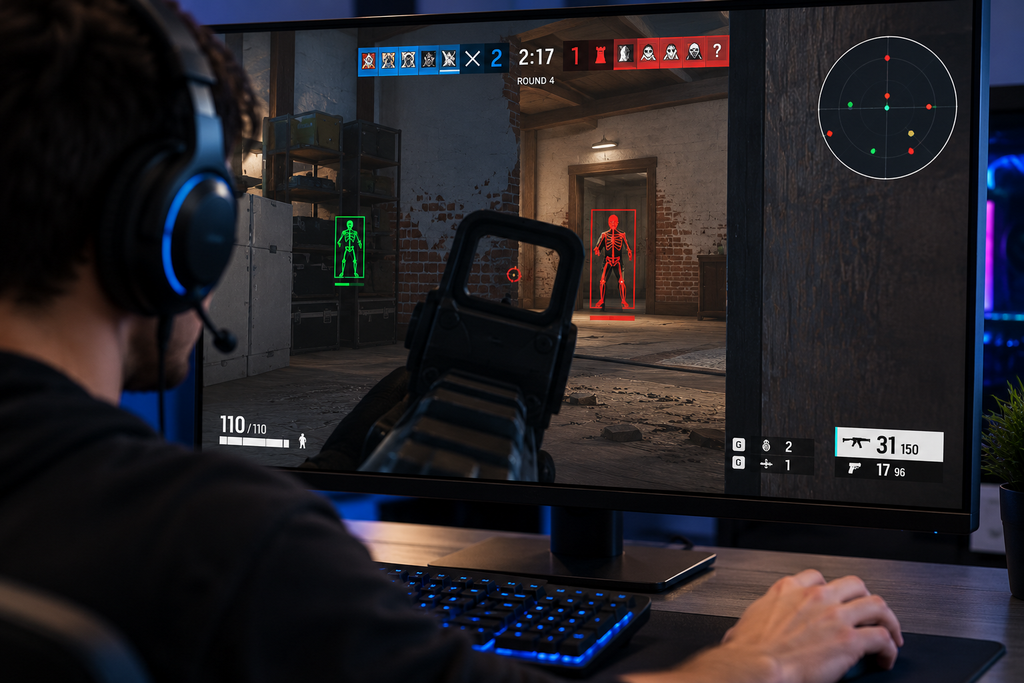
Rainbow Six Siege has a mix of close angles, destructible surfaces, quick peeks and operator-specific equipment. When people compare R6 cheats, they may see aimbot, ESP, wallhack and recoil script described together, even though those features do different jobs. Understanding the differences makes it easier to read a product page and check whether it matches the feature category someone is looking for.
The R6 guide to aimbot, ESP, DMA and recoil scripts separates these terms and compares them against the current product range. It explains why a recoil script is not the same as a full cheat with player visuals and target selection, and why product requirements need to be checked individually.
Aimbot concerns target selection
An R6 aimbot can include controls such as an aim key, FOV, smoothing, sensitivity, target bone, hitbox or target lock. These terms describe separate parts of how a product selects or responds to a target. For example, FOV relates to the area around the crosshair, while bone or hitbox selection refers to the body area selected in the menu.
Different Siege situations can make the controls more or less relevant. A tight doorway angle is different from a player vaulting into a room or leaning around cover. That makes it useful to compare the target options a product actually lists, rather than choosing based on the word “aimbot” alone.
Products can also organize those settings differently. The R6 guide describes Astral with features such as target bone and target lock, Vega with multipoint bones and distance filters, and Crusader with hitboxes and target marking. Those names are examples of how the products differ; review the live product page for current details.
ESP and wallhack concern player information
ESP is a broad label for visual information. Depending on the product, it may include player boxes, skeletons, lines, health, names, distance, head markers, team checks, operator abilities or radar. Wallhack is a common search term for visibility through cover, but it does not confirm a single universal set of controls.
A radar display is another way to present information, distinct from a box or skeleton placed around a player. Likewise, operator ability information does not necessarily mean that every camera, trap, drone or deployable gadget is included. Check each feature list carefully, because similar terms can describe different things across products.
For readability, a player might consider team filters and maximum-distance controls where available. A screen filled with distant markers can make it harder to focus on the relevant part of a site or round. The useful configuration is the one that provides the information the user expects to see, according to the product’s actual options.
A recoil script is a separate category
The Chams R6 Recoil Script uses operator, weapon and attachment choices to adjust recoil compensation. It is focused on weapon control. The guide specifically distinguishes that from features such as aimbot, player ESP, radar or wallhack. If someone is looking for player information or target selection, a recoil script’s label does not establish that those features are included.
This distinction also helps when comparing search results. “No recoil” may be used broadly, but a specific listing can provide adjustable horizontal and vertical controls tied to a weapon setup. Read the product details rather than assuming every recoil script works the same way.
Check product type, requirements and status
DMA products have different hardware requirements from software products. The R6 Ice DMA listing, for example, notes a DMA card requirement and has its own aimbot, triggerbot, ESP and overlay details. External, internal and DMA describe product type; they do not guarantee identical features or permanent safety.
Rainbow Six Siege updates and BattlEye can affect product status and compatibility. Check the current listing before choosing or launching anything, and treat an “undetected” label as current information rather than a long-term promise. Using third-party software carries account risk regardless of feature type.